
Mercia's Autumn Heritage Open Days: Ten Local Sites Worth Booking Before They Fill Up
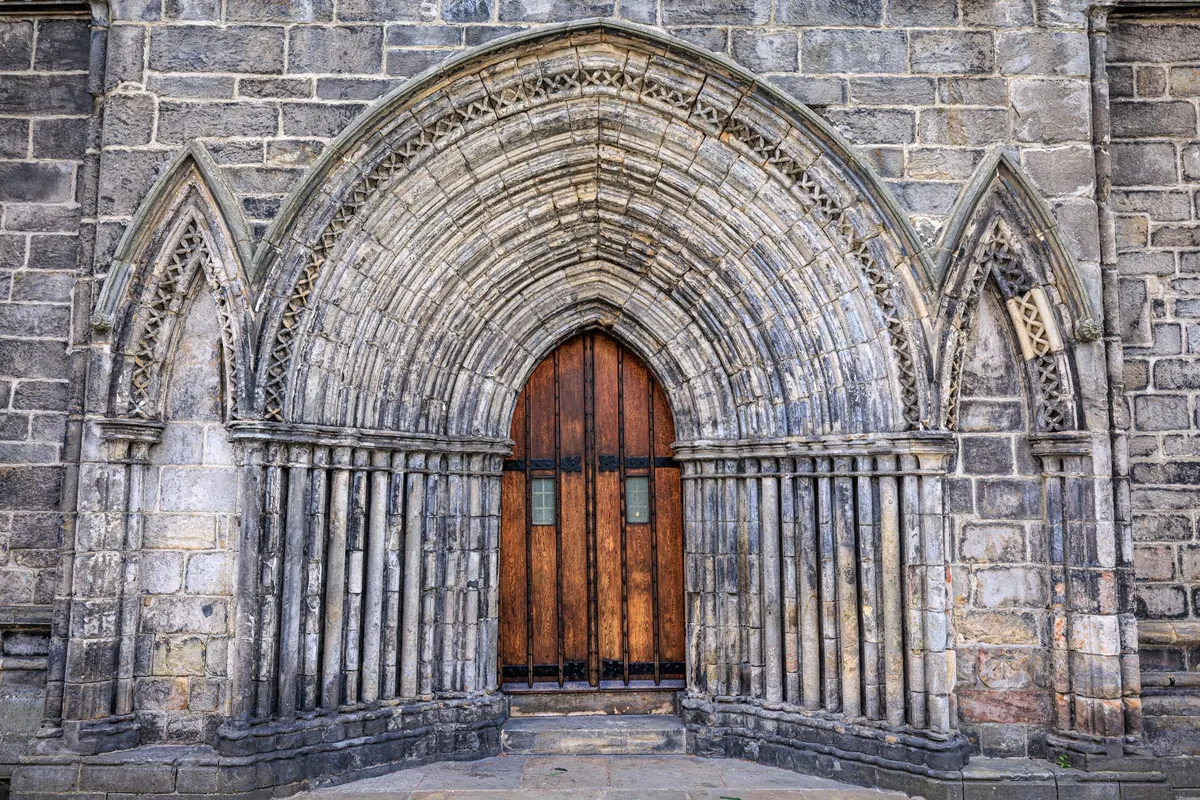
Every autumn, a handful of Mercia's oldest buildings do something they spend the rest of the year avoiding. They open the door, unhook the rope barrier and let you look properly.
That means courtrooms still echoing with the shape of the dock, a mill with its wheel turning, a reading room where the parish registers actually live. These places are not set up for crowds, which is precisely why they are worth the effort — and why the good slots disappear weeks ahead. Here is what is opening, what you will really see inside, and how to book without spending your evening refreshing a booking page.
Why autumn is the right season for this
Summer openings tend to be crowded and hot. Stone buildings hold the heat, guided tours run long, and everyone arrives at the same mid-morning moment. By late September and October the picture changes. Rooms are cool, volunteers have time to talk, and the low afternoon light through leaded windows makes the interiors look better than any photograph on a website.
Autumn also suits the archives. Paper and parchment do not enjoy damp hands and glaring sun, so reading rooms often schedule their public sessions for the cooler months, when humidity is easier to manage and staff are not juggling holiday cover. If you have ever wanted to handle a document rather than squint at it behind glass, this is your window.
Ten sites worth booking first
These are the openings that fill earliest, roughly in the order they tend to go.
- The Old Shire Hall — the crown court room with its raised bench, plus the cells below. The graffiti scratched into the cell walls by people awaiting trial is quietly the most affecting thing on the tour.
- St Wilfrid's Bell Tower — a steep spiral stair, a ringing chamber and a view over the rooftops. Not for anyone uneasy with heights or tight spaces.
- Hollowbrook Mill — the waterwheel runs on open days only. Ask the millwright about the gearing; you will get a twenty-minute answer and enjoy it.
- The Deanery Reading Room — medieval charters, estate maps and a family-history help desk staffed by people who genuinely know the local registers.
- Cutlers' Guild Hall — the guild's tool collection and silver, displayed in a hall that is still used for meetings.
- Marlow Street Chapel — nonconformist registers and a small burial ground, with a talk on how dissenting congregations kept their own records.
- The Pump House — Victorian waterworks machinery, all brass and iron, in a building that still smells faintly of engine oil.
- The Railway Goods Shed — rolling stock, signalling equipment and a wall of photographs of the old yards.
- Tanners' Yard — a cluster of small workshops off a back lane, showing the leather trade from hide to finished strap.
- The Borough Archive Store — the behind-the-scenes one. Rate books, tithe maps and a short tour of the conservation bench, where you can watch a torn page being repaired.
Booking without the scramble
Most of these run on timed entry, and a few take names on a paper list at the door. Both systems reward the same habits.
- Book with the venue, not just the umbrella listing. National listings are useful for discovery but often lag behind on sold-out slots and last-minute additions.
- Check whether it is timed or free-flow. A timed slot means you must arrive within your window; free-flow means you can drift in, but you may queue.
- Take the first slot of the day. Guides are fresh, rooms are empty, and you will get far more conversation out of the volunteers.
- Limit yourself to two sites a day. Three is possible if they are within walking distance of each other. Beyond that, the details blur.
- Ask about access before you commit. Spiral stairs, gravel yards and narrow doorways are common. A quick email saves a wasted trip.
- Note the cancellation policy. Many volunteer-run openings simply release unclaimed places fifteen minutes after the slot begins, so it is always worth asking at the door.
- Screenshot your confirmation. Signal inside thick-walled buildings is unreliable, and a booking reference you cannot open is no booking reference at all.
Quiet visiting times, and how to find them
The busiest window is almost always between late morning and early afternoon. If you want space to read a label without leaning over someone's shoulder, aim for the first hour after opening or the last forty-five minutes before closing.
Slots the regulars use
Weekday openings are noticeably calmer than weekend ones, particularly Tuesday to Thursday. Mid-afternoon on a Saturday is the worst of both worlds: families out, guides tired, light already going. If a site offers an evening session, take it — these are often added late in the run and fill slowly.
Two things to check before you plan around a quiet time. First, church buildings may be closed to visitors during services, so a peaceful-looking slot can turn out to be unavailable. Second, some venues run a designated quieter hour for visitors who find crowds difficult, usually with reduced sound and seating available. These are rarely advertised loudly, so ask.
Access, children and small practicalities
Heritage openings are working buildings first and visitor attractions a distant second. Expect uneven flagstones, thresholds you have to step over and staircases with a handrail on one side only.
If you are bringing children
Ask at the desk for the hands-on table. Mills, pump houses and goods sheds usually have one — a rope to pull, a lever to move, a brass thing to polish. It keeps everyone happier than a slow walk past glass cases.
If you use a wheelchair or have mobility needs
Ring ahead rather than relying on a website description. Ground-floor access is common; upper floors frequently are not, and staff can often arrange a shorter route or a seated talk instead. Ask specifically about the route from the nearest drop-off point, not just the building itself.
If you want to photograph records
Flash is almost always refused, and some documents cannot be photographed at all. Ask first, keep your hands off the paper, and use a pencil if you are taking notes. Pens are banned near original material for good reason.
Before you set out
Confirm opening times the day before, since volunteer-run sites occasionally shift a session. Wear flat shoes with grip, take a layer — these buildings are cold even on a mild afternoon — and carry a little cash in case a venue asks for a donation at the door.
Finally, talk to the people standing by the door. They are usually the ones who know which room has the best story, which staircase is worth the climb and where the tea is being poured. That conversation is often the part of the day you remember.
Photo: Phil Evenden / Pexels